
A Vision for Economic Resilience: Governor Gabriel Makhlouf Visits the AIM Centre
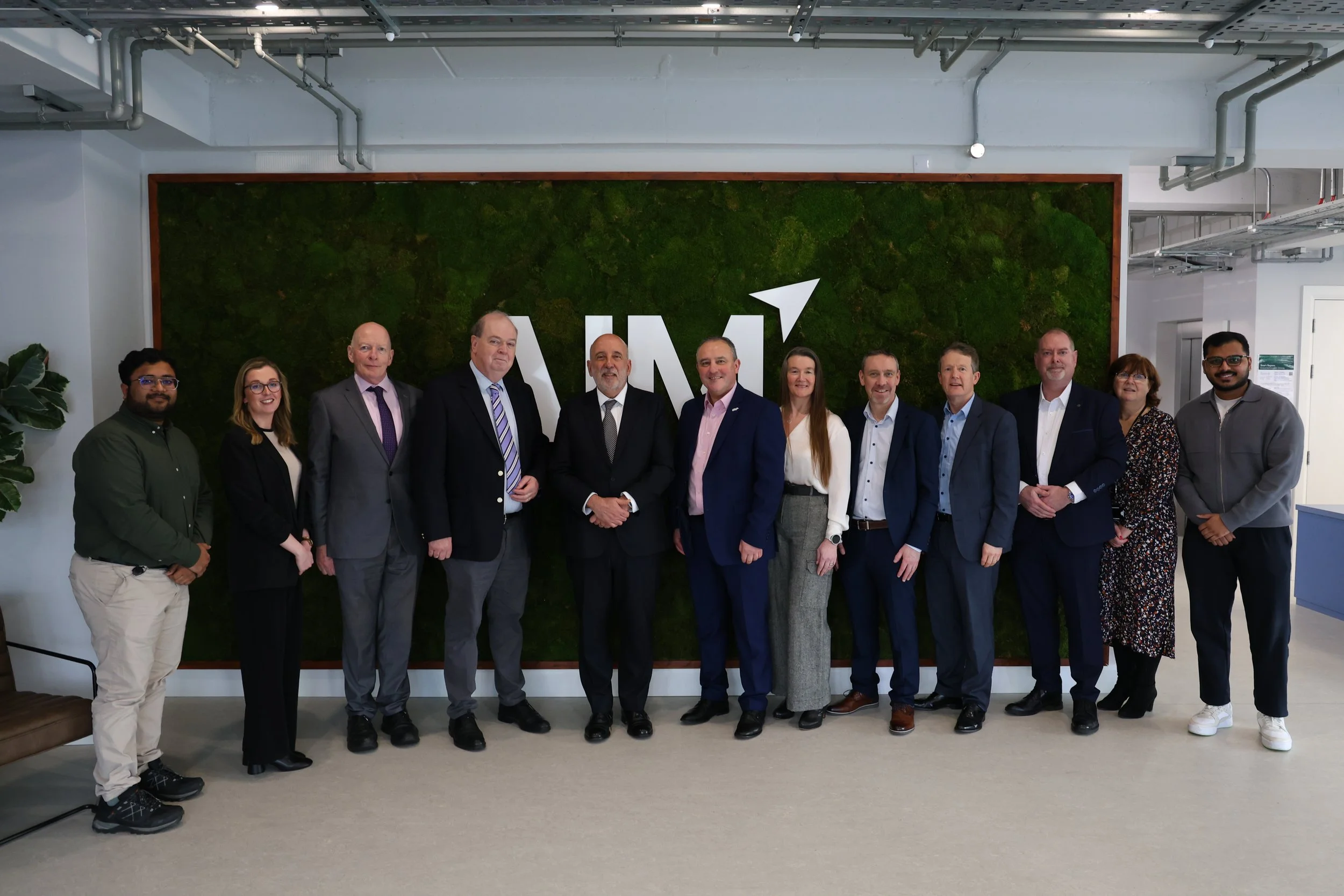
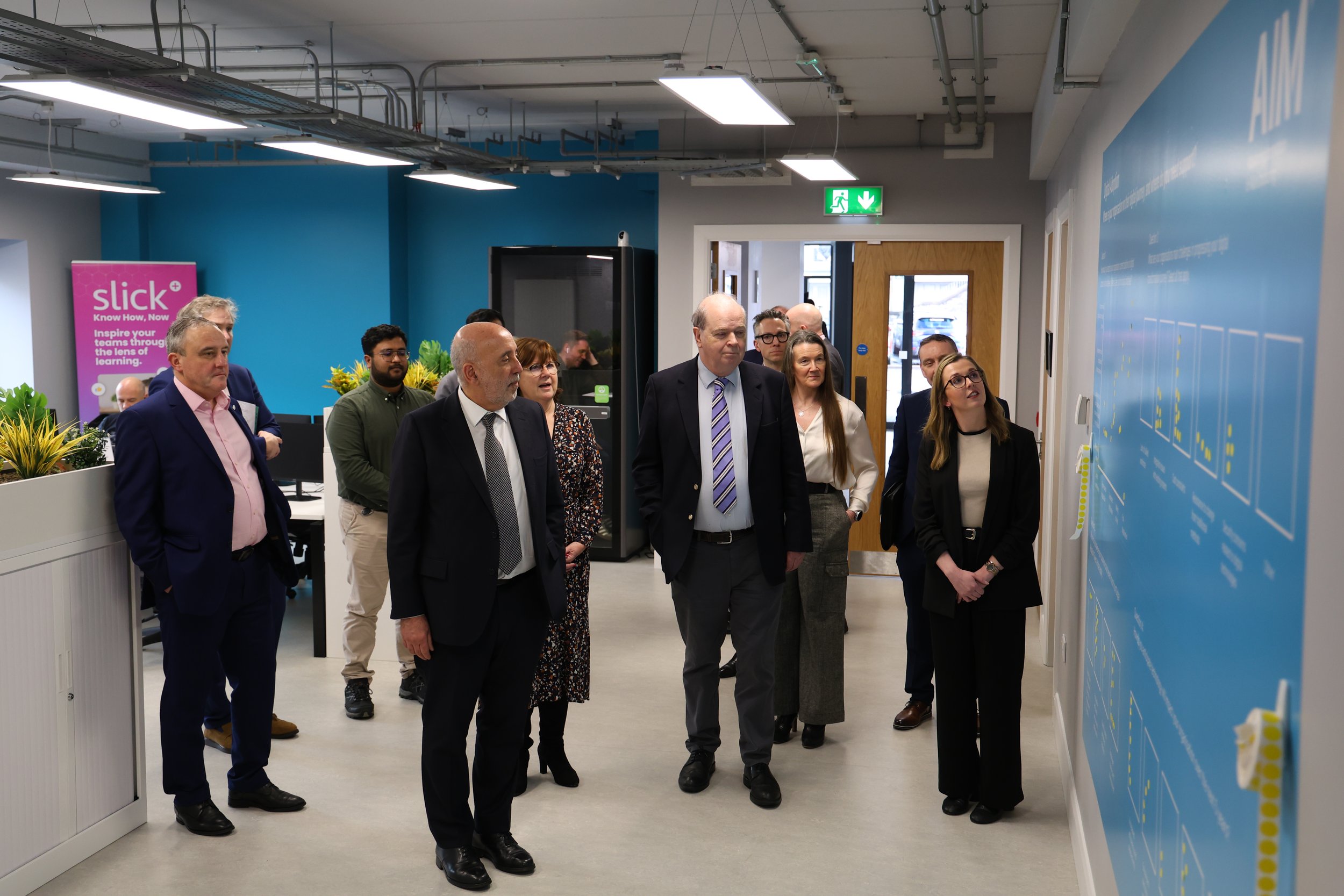
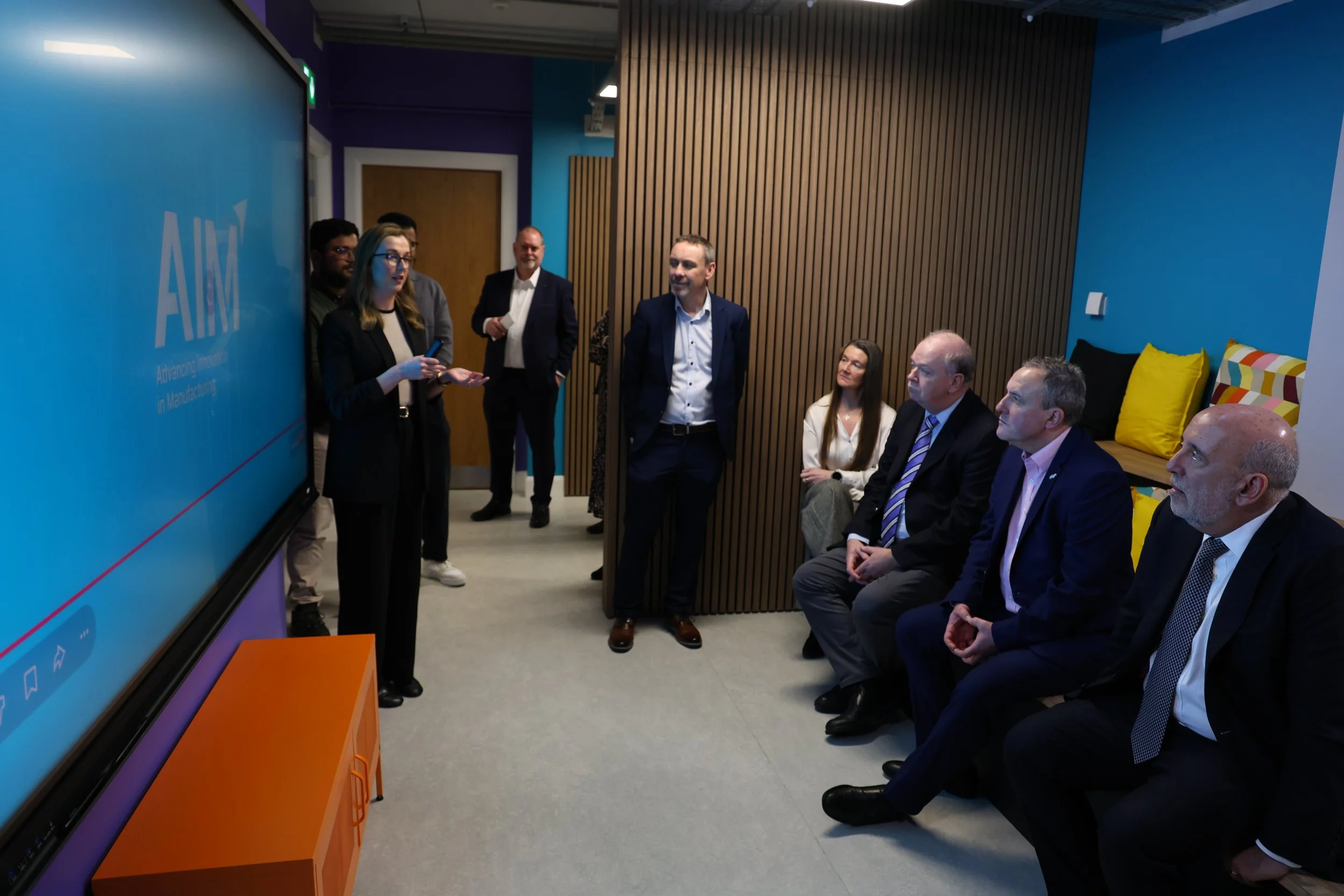
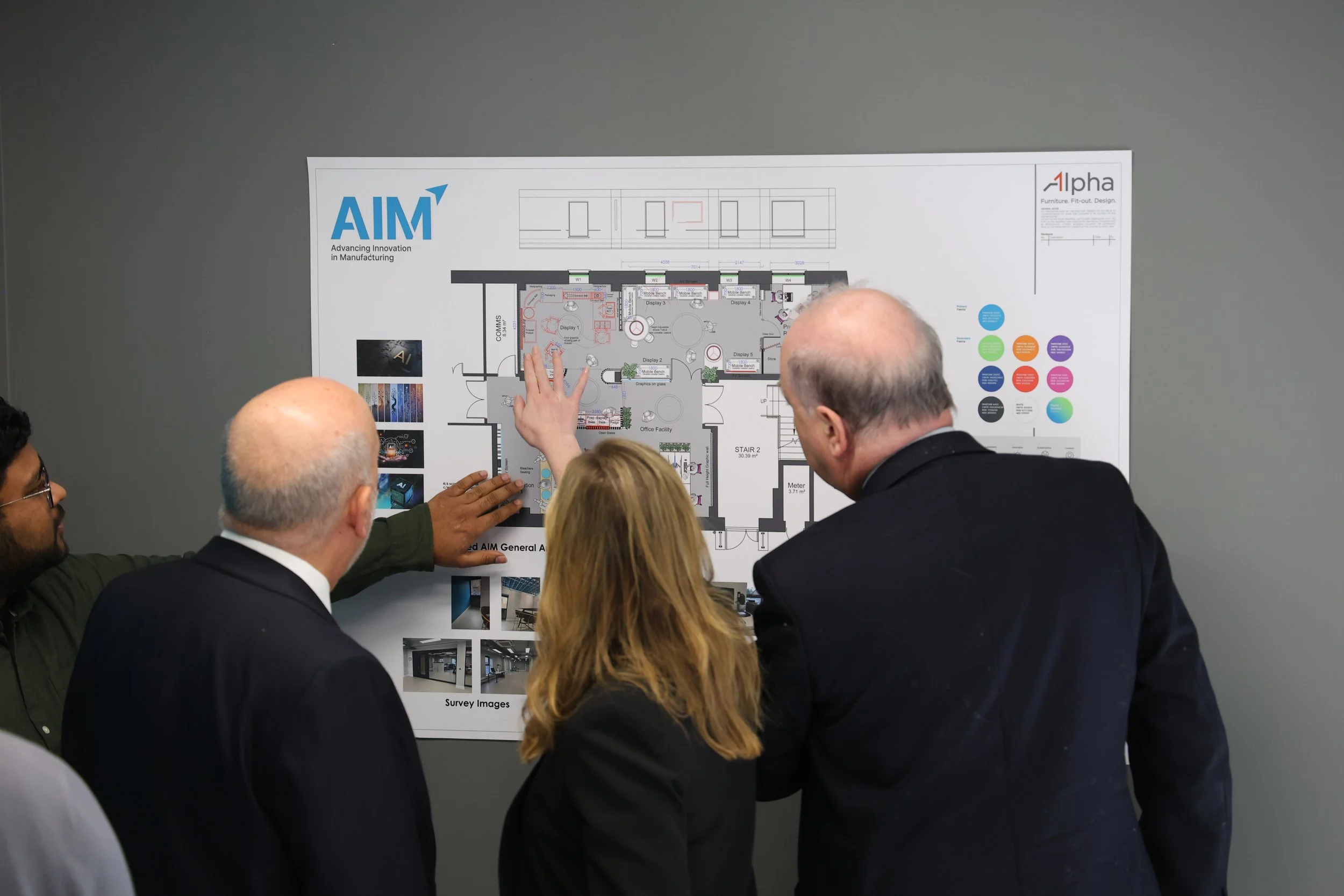
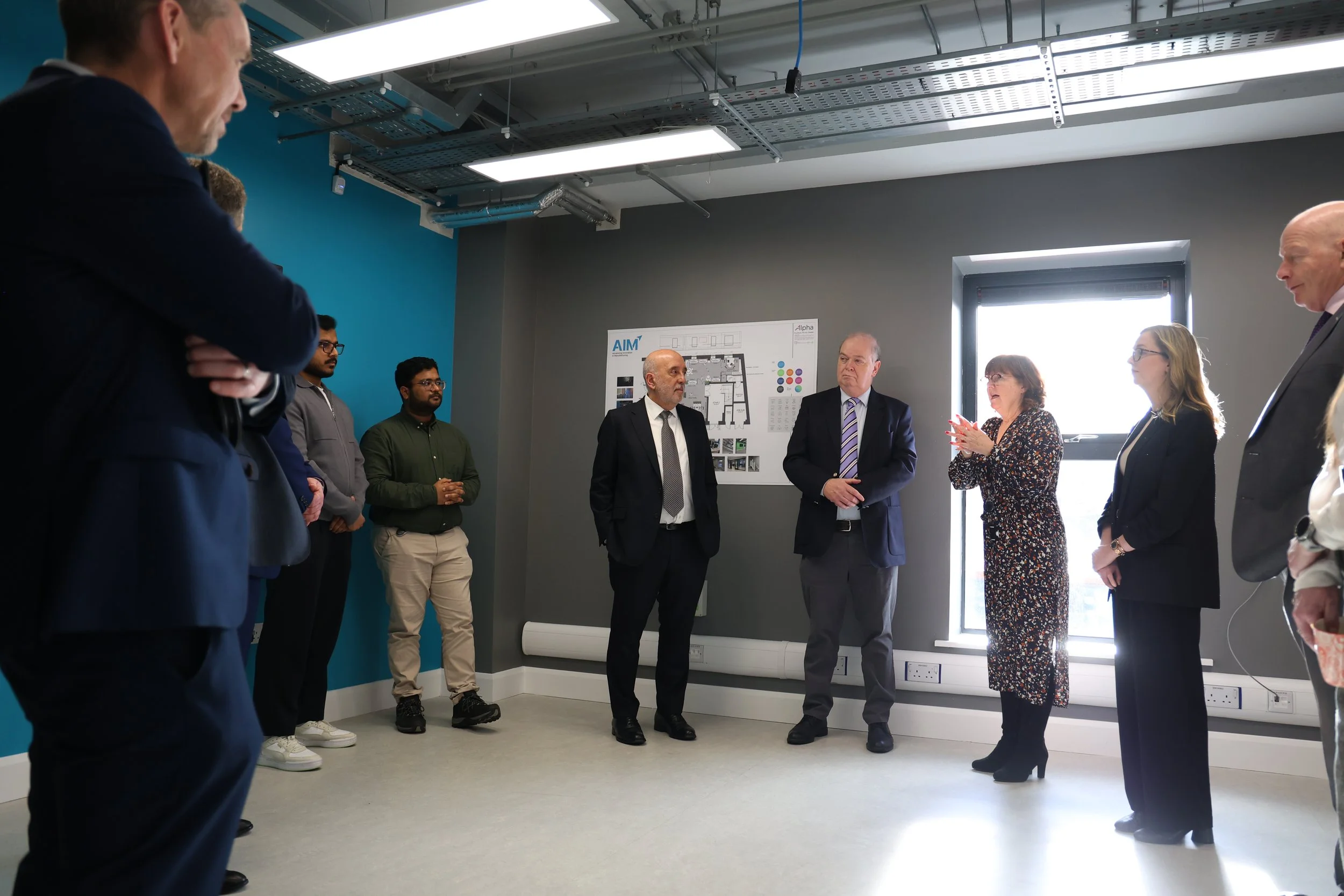
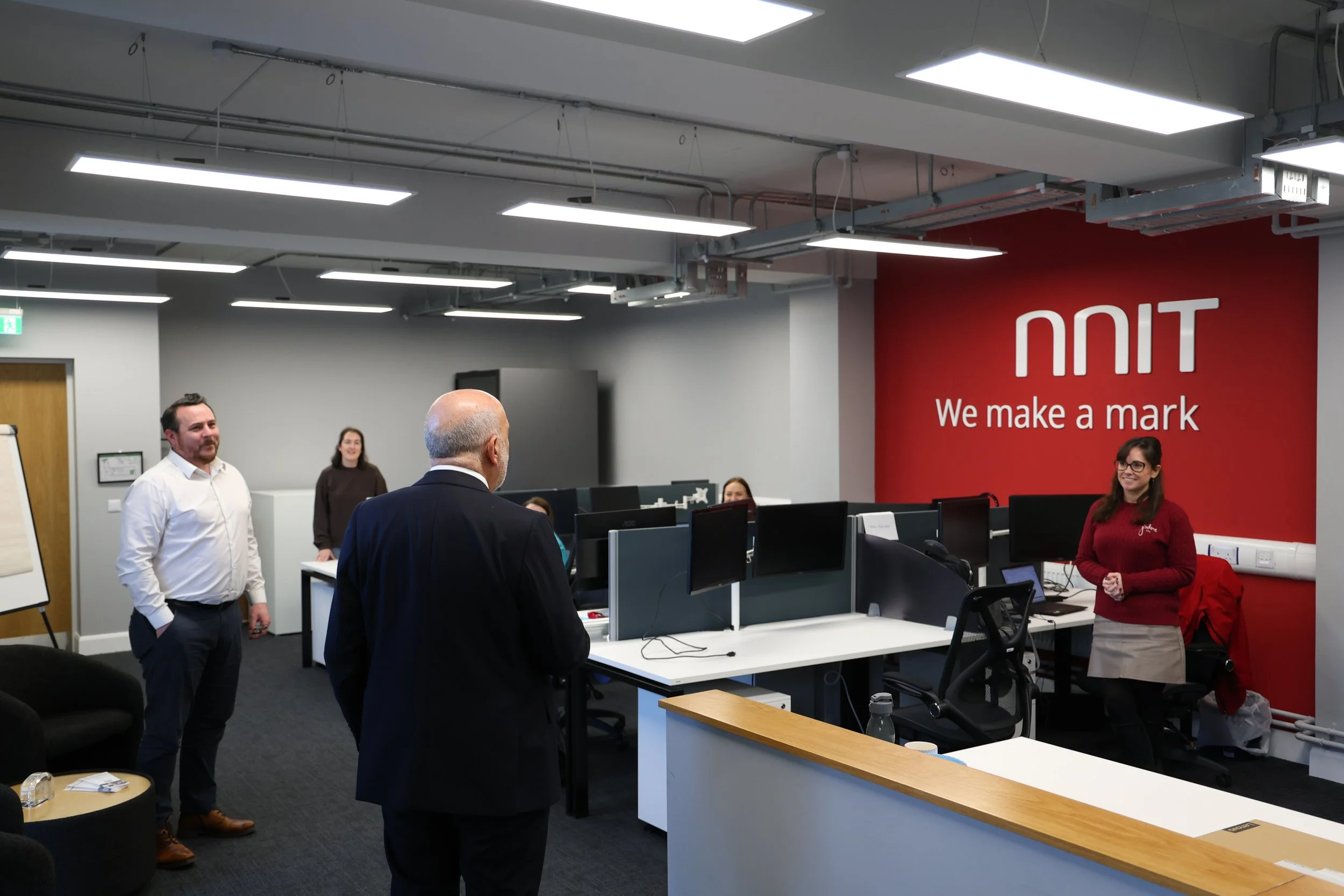
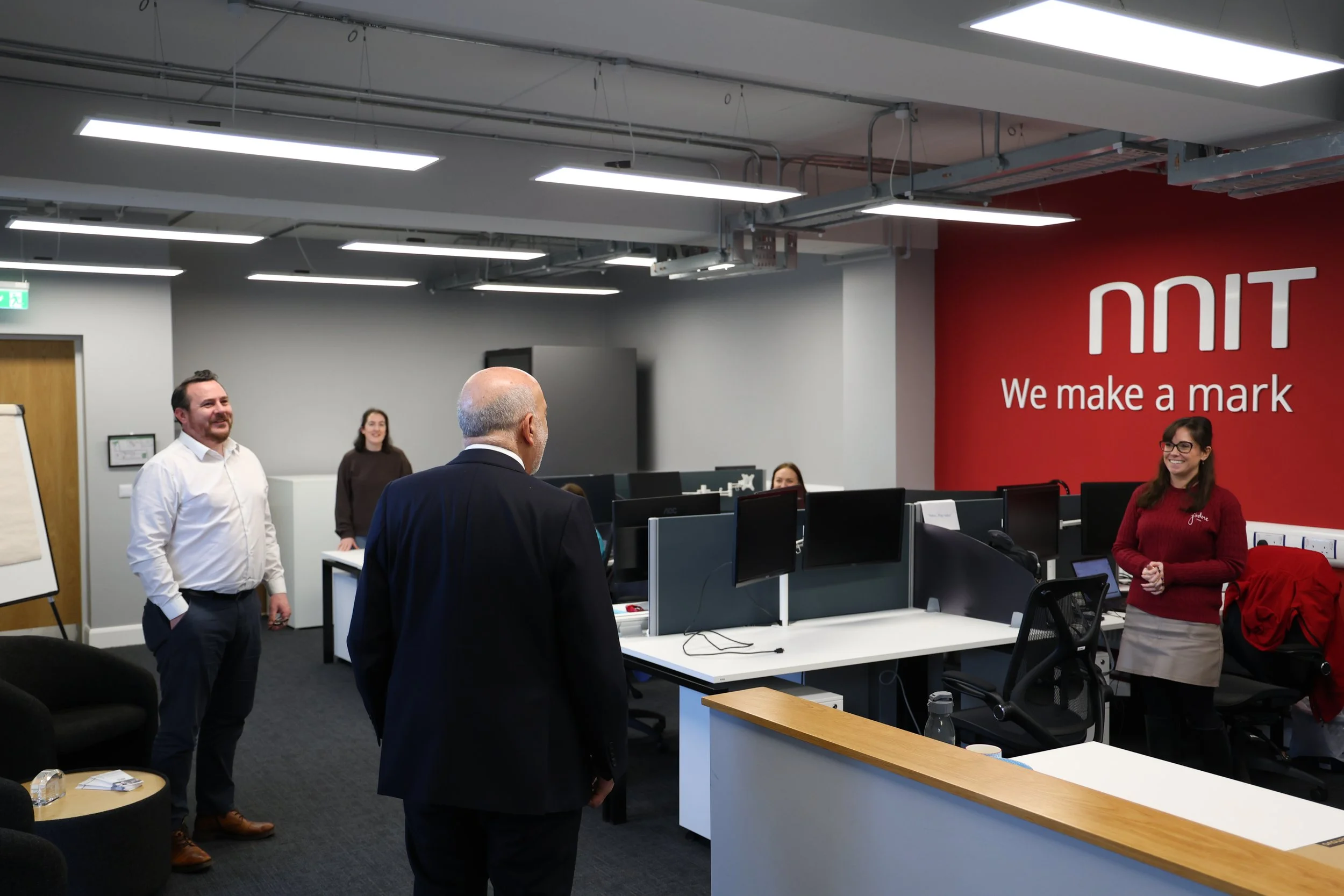
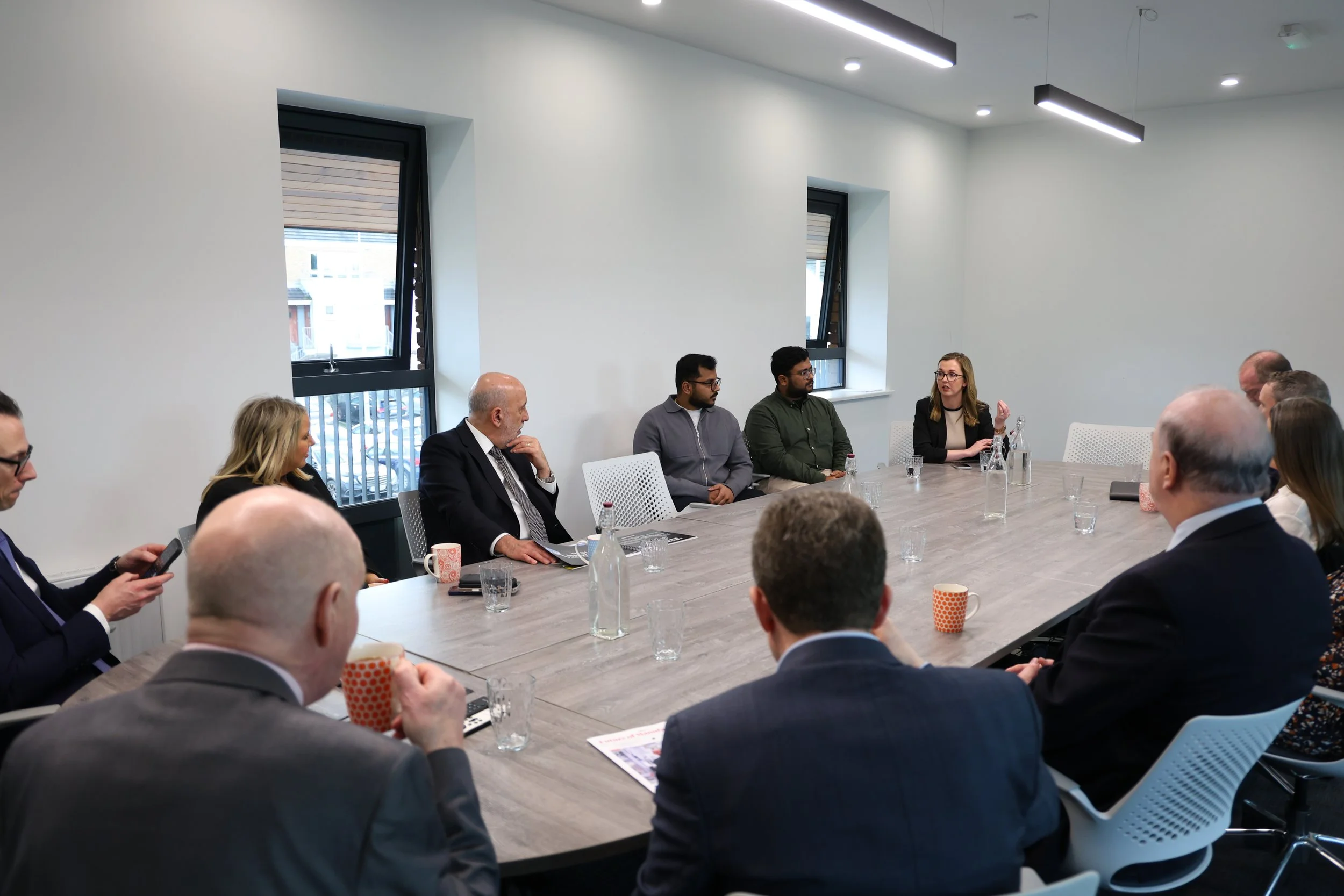
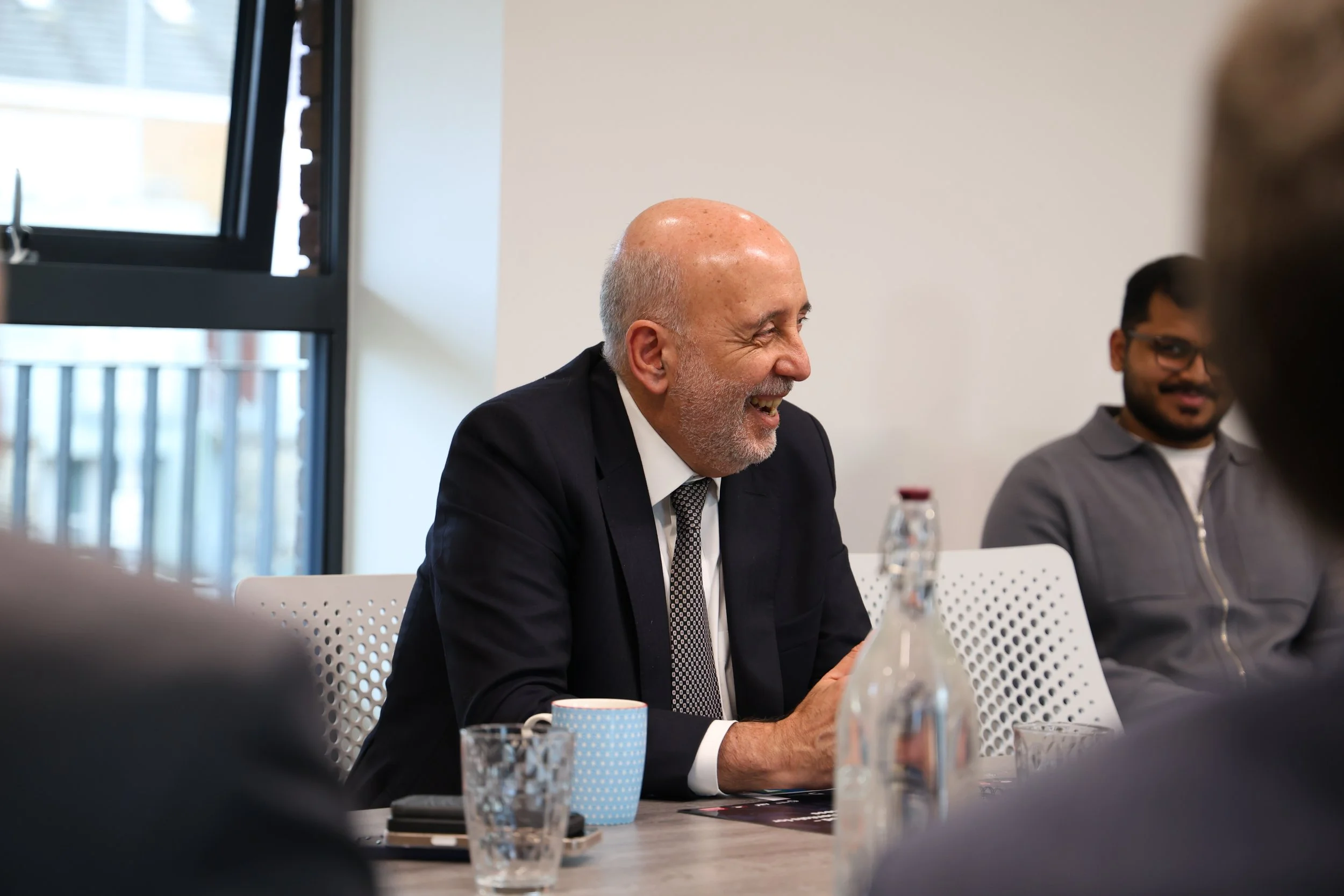
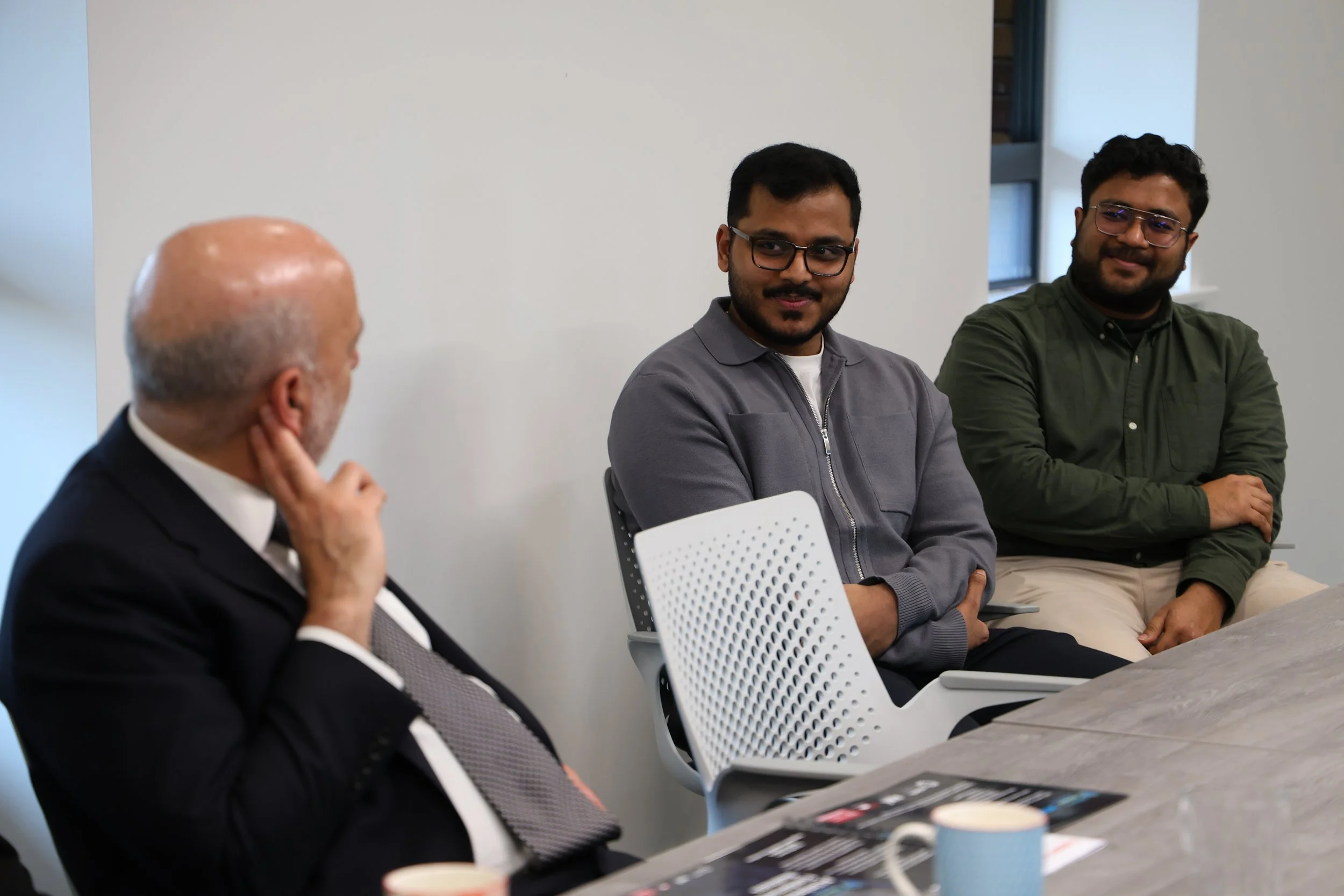
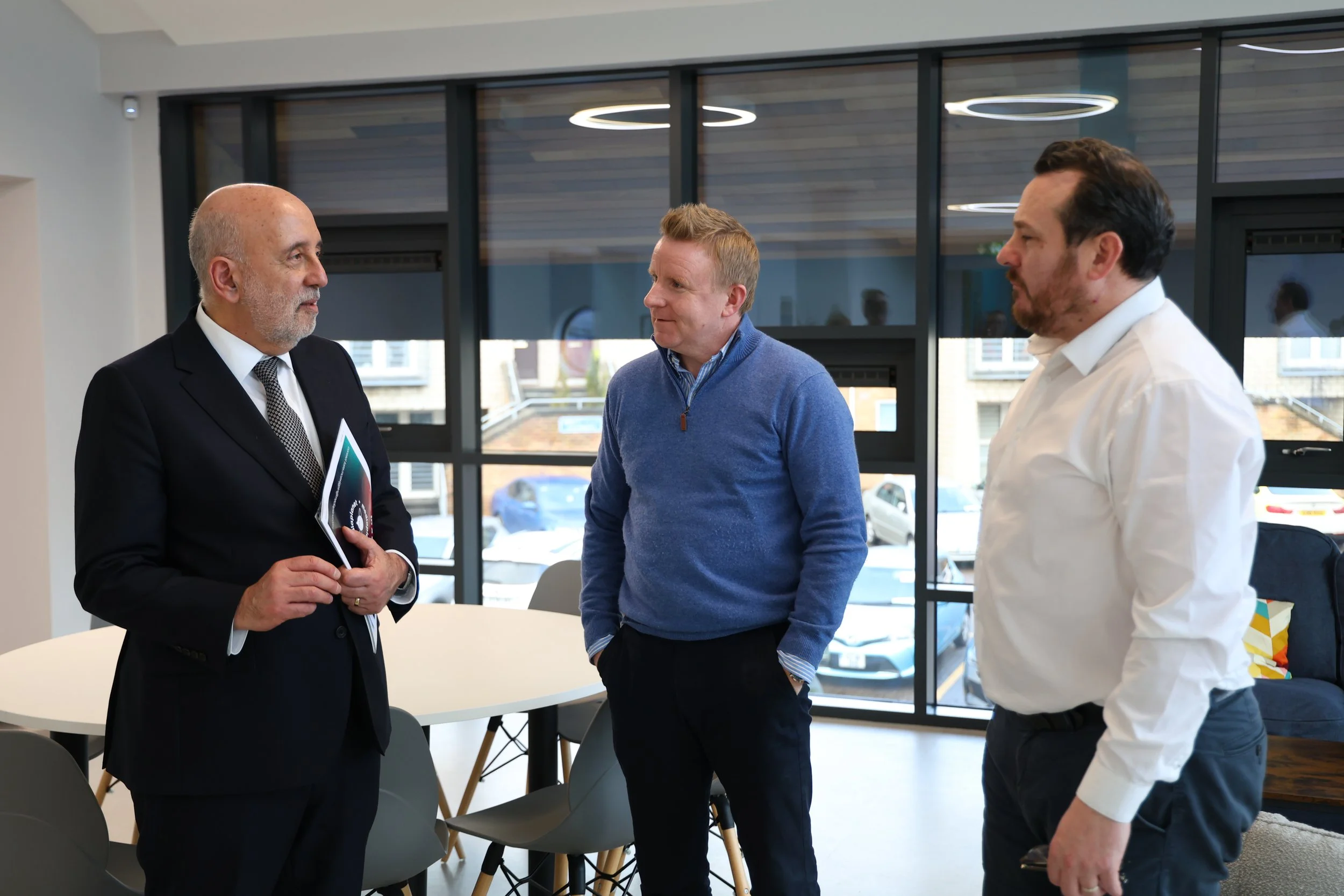
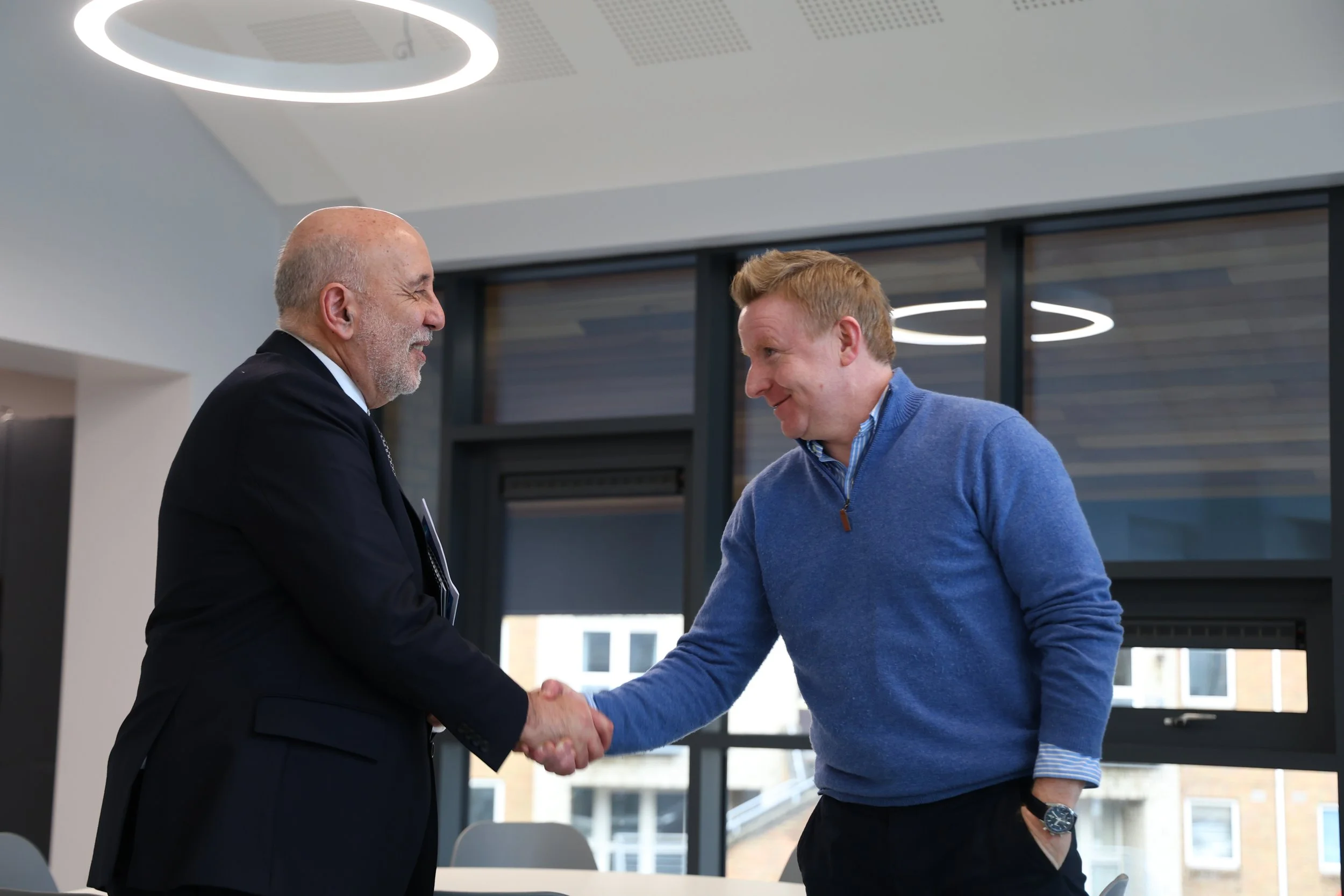
We were honoured to host Governor Gabriel Makhlouf of the Central Bank of Ireland at the AIM Centre in Sligo yesterday. It was a significant occasion, and we are sincerely grateful that the Governor took the time out of his busy schedule to visit the region and engage directly with the innovation happening here in the Northwest.
The visit provided a vital platform to present the AIM Centre not merely as a technology hub, but as a critical driver of national economic resilience. We discussed how our mission to accelerate AI and digital transformation within Ireland’s indigenous manufacturing sector is fundamental to the nation’s long-term stability and competitiveness.
Aligning with a National Vision for Resilience
Our discussions with the Governor were particularly timely. In his recent 2026 annual letter to the Tánaiste and Minister for Finance, Governor Makhlouf underlined the "increasingly urgent need to build economic resilience" in the face of global geopolitical and technological transitions.
He specifically identified strengthening the indigenous business sector as a key priority to complement foreign direct investment and enhance the nation's ability to withstand international shocks. At the AIM Centre, we are proud to be at the forefront of this mission, providing the practical tools that local manufacturers need to scale up, innovate, and provide a sturdier counterweight within the Irish economy.
Touring the Future of Manufacturing
The visit included a comprehensive tour of our building, showcasing the infrastructure that enables our "test-before-invest" model.
- Connected Hubs Spaces: We demonstrated how our co-working and collaboration spaces foster a community of innovators, allowing manufacturers to connect with technology partners, academia, and state agencies.
- National AI Studio for Manufacturing: Governor Makhlouf viewed our robotics and AI test environments, seeing first-hand how we help SMEs practically implement solutions such as predictive maintenance, AI-powered quality inspection, and supply chain analytics.
Strategic Partnerships: NNIT
A highlight of the tour was introducing Governor Makhlouf to our partners at NNIT. This collaboration is a perfect example of how the AIM Centre bridges the gap between local industry and global digital expertise, ensuring that the innovation happening in Sligo is of a world-class standard.
Key Discussions: De-risking Innovation
During our discussions, we explored how the AIM Centre is actively de-risking innovation for indigenous SMEs. By providing a safe, shared environment to experiment with AI and robotics, we are helping Irish firms bridge the productivity gap - an issue central to the Central Bank’s focus on sustainable economic growth.
Key takeaways included:
- Mitigating Global Headwinds: How AI-powered supply chain analytics help Irish firms navigate global disruptions and inflationary pressures.
- Building Capability: The importance of upskilling leadership and operational teams to be data-literate and future-proofed.
A Collaborative Effort
We would also like to extend our thanks to the members of our board and supporting partners who were present to contribute to this important dialogue. Their leadership continues to steer the AIM Centre as a national asset: John Reilly (Manager, SoCo Lab Strandhill), Liam Kiely (Head of Enterprise, Sligo County Council), Chris O'Malley (VP Enterprise & Engagement, ATU), Martin Lydon (Chief Executive, Sligo County Council), Joe Lowe (Head of Enterprise, Leitrim County Council), Finola Howe (Head of Enterprise & Engagement, ATU), David Minton (Director of Services, Sligo County Council), Nigel Carter (Sligo County Council).
Looking Ahead
Visits like this are vital for highlighting the economic potential of our region, and the AIM Centre is delighted to be at the forefront of driving national resilience through innovation. We look forward to continuing our work in ensuring that manufacturers of all sizes can innovate, grow, and compete in the global digital economy.